
A Powerful Comparing Numbers Lesson (No Alligators Needed!)
Share this post:

I know this may be a very unpopular opinion, but I have an alternative comparing numbers lesson to share…and it’s one that does not involve the traditional alligator.
The thought behind the alligator is well-intentioned of course. As teachers, we always desperately want our students to understand math concepts and will use any means necessary!
But despite the best intentions, I feel this analogy eventually gets in the way of working fluently with numbers.
Especially when I find my 4th grade students still drawing out alligators when comparing multi-digit numbers!
Though the greater than and less than symbols can seem hard to grasp for students (especially those in the primary grades) I believe there is a way to help students truly understand the meaning of these inequalities.
A Hands-On Comparing Numbers Lesson
Instead of drawing out those little alligators, I love to demonstrate the following visual (it’s easier to explain in a digital format first…but more about showing this in a hands-on way below!)
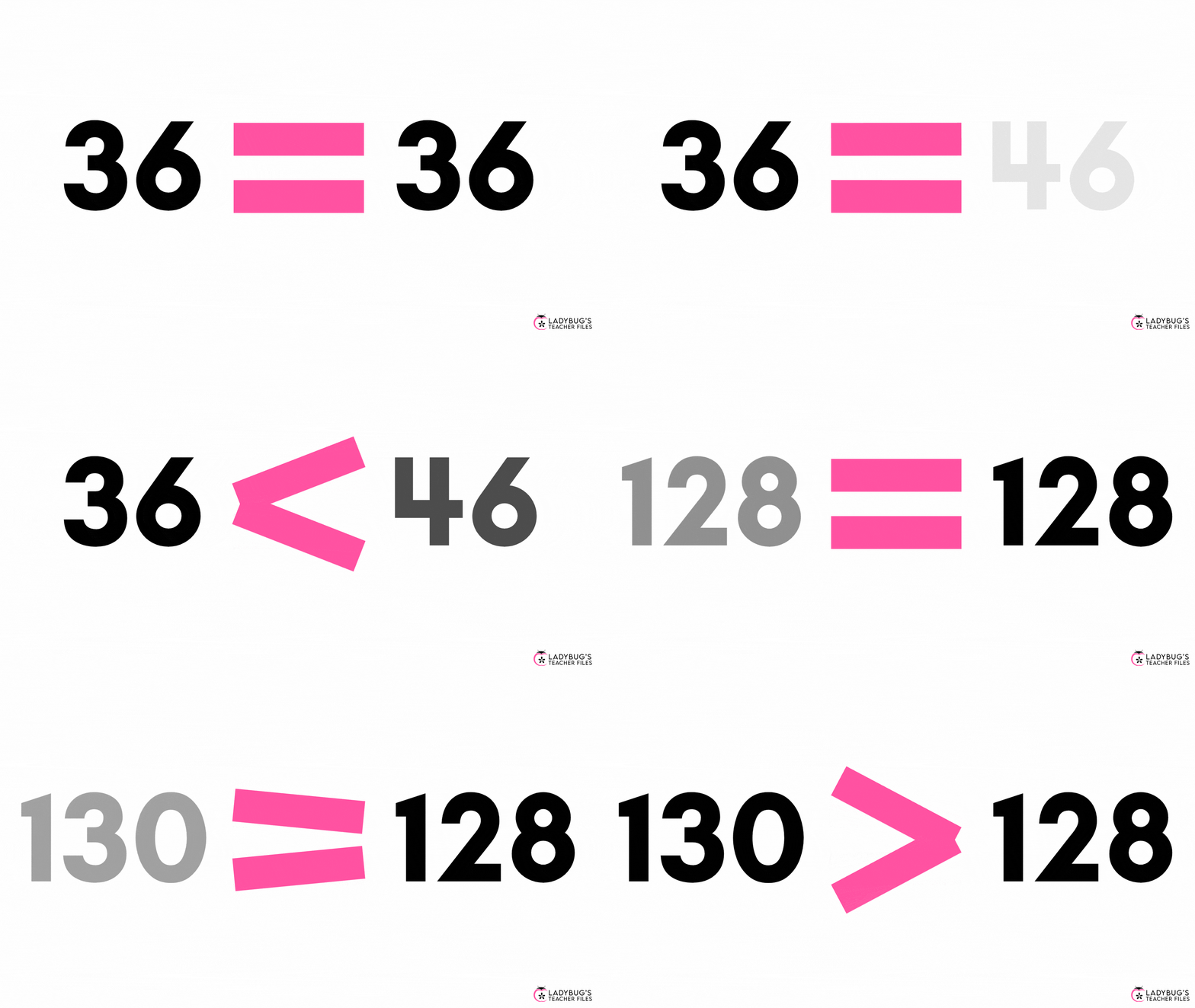
Before we begin, I want to say this comparing numbers lesson would come after we’ve worked to build and compare numbers with manipulatives.
We do a LOT of work with base ten blocks and place value disks first…this lesson is to focus on the inequality symbols specifically.
I start by setting up a quick comparison on a dry erase board, using Cuisenaire rods to represent the equal sign:

We discuss how the equal sign represents the same value on either side.
I ask my students what they notice about the symbol itself…how does it represent this concept of “same”?
(Asking what my students notice is one of my favorite questions. I think I must ask this a thousand times a day in math! It’s also a fantastic way to support productive struggle each day.)
Students may reply that the equal sign itself looks the same with:
- two lines of the same size
- both parallel to one another (or “lined up” if working with younger students)
I change one of the numbers, replacing it with a greater value. As I do this, I shift the blocks to show how the equal sign is no longer equal, but angled to show the larger side facing the greater number:

I then erase the larger number just written, to show a lesser number (while adjusting the inequality symbol):

I ask my students the following questions as we work:
- What you notice about this symbol?
- How does are these symbols different from the equal sign?
- How do the symbols change as our numbers change?
I guide students to see that the inequality symbol now has a larger opening, which is always facing the greater number.
Students may also notice (or be guided to see!) that the inequality also has a smaller end, which points to the lesser number.
As we work through these hands-on equations, we say the inequalities each time so students become comfortable with reading them: “48 is greater than 42.”
And I do the same with larger, multi-digit numbers when I see my upper elementary students drawing a comparing numbers alligator!

My ultimate goal is for my students to work confidently and fluently with numbers in math…and this always helps them understand and read inequalities with ease.
What do you think? Are you strictly “team alligator” or do you use a different approach?
More Place Value Resources


Kristen Beakey
I’m an elementary teacher who is driven to design hands-on, scaffolded math lessons and tools for students in 2nd-4th grade. My passion is helping struggling students gain confidence and understanding in math, while saving you time in teaching (because you are busy enough!).
